

Dev Diwali Rituals: A Closer Look

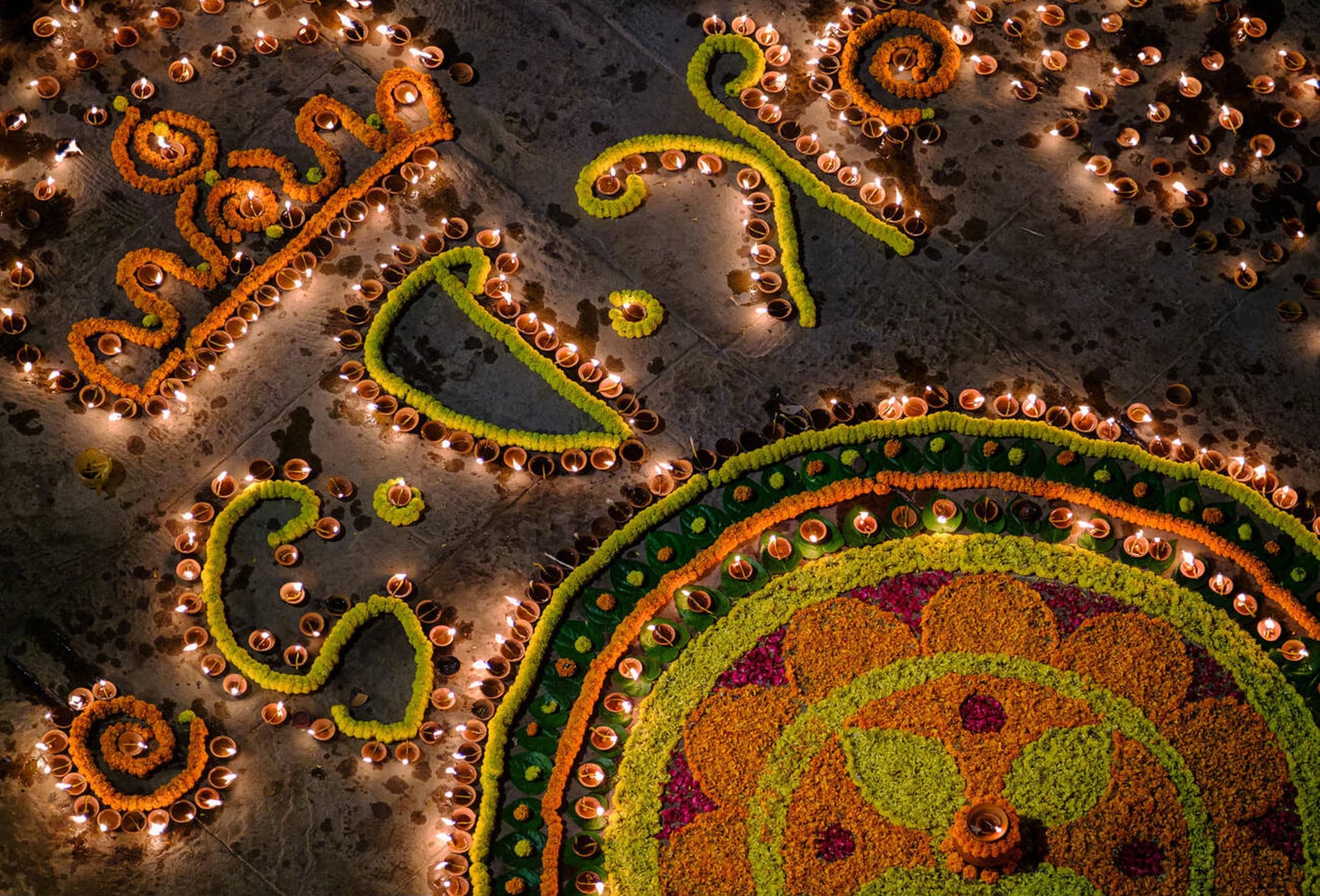
Deepdaan is one of the most important rituals of Dev Diwali and possibly the most visually powerful. On the evening of Kartik Purnima, thousands of clay lamps are lit across Varanasi’s ghats, temples, homes, and boats. This act of offering diyas to the divine is said to wash away past misdeeds and seek blessings. It is also done to honour Lord Shiva as Dev Diwali commemorates his triumph over the three-headed demon, Tripurasura.
Highlights:
- Volunteer-led lamp lighting: Hundreds of volunteers and local youth take part in arranging and lighting lamps along every inch of the ghat steps, creating a coordinated visual spectacle.
- Moments of devotion: Amid the glowing lamps, many sit quietly in meditation or chant mantras, using the light as a medium for personal reflection and devotion.
- Symbolic gesture: The lighting ritual also marks the ceremonial welcome of the gods, believed to descend to Earth on this auspicious night.
.jpg?w=340&dpr=2)
Every evening during Dev Deepawali, Dashashwamedh Ghat becomes the centre of a powerful ritual, the Ganga Aarti. As the sky darkens, 21 Brahmin priests and 42 young women begin the ceremony with their voices rising in ancient Vedic chants. The priests move in unison, holding heavy brass lamps, while the sound of conch shells fills the air. This aarti is about pausing, offering thanks, and asking for blessings during one of the most sacred times of the year. Watching the aarti from a Dev Diwali boat ride lets you see the full picture, rituals on one side, floating diyas on the other.
Highlights:
- Panoramic view: Watching the aarti from the river offers a great view of the rituals of Dev Diwali and the glowing ghats.
- Immersive experience: The chants, conch sounds, and waves around the boat create a deeply sensory and meditative atmosphere.
- Cultural symbolism: The rituals reflect centuries-old traditions of honouring the Ganga as a divine mother and life-giver.
- Spiritual presence: Many believe the riverfront transforms into a divine space during Dev Diwali, and being in Varanasi, feels like partaking in a sacred exchange.

The day of Dev Diwali begins with Kartik Snan, one of the most important rituals of Dev Diwali, where devotees take a bath in the Ganga before sunrise. Ganga Snan is considered especially powerful on the day of Kartik Purnima, the full moon day that marks the end of the Kartik month in the Hindu calendar. Devotees believe that bathing in the river on this day can purify past karma and help them seek blessings.
Highlights:
- Spiritual Cleansing: The early morning bath is believed to wash away sins and negative karma, offering a clean slate to start anew.
- Connection Through Tradition: Taking the holy dip on Kartik Purnima follows a custom practiced for generations, linking each devotee to a timeless spiritual lineage.
- Personal Reflection: In the stillness before sunrise, the ritual becomes a chance for quiet introspection and setting intentions.
- Starting the Day with Sacred Intent: Before the festivities begin, this act grounds the day in faith and sets the tone for all that follows.

Dev Diwali is closely associated with Lord Shiva, as the day marks his victory over the demon Tripurasura. Devotees also offer prayers to Goddess Lakshmi and Lord Vishnu, seeking blessings for prosperity and well-being. The worship during this time is meant to invite divine presence and mark the closing of the holy Kartik month.
Highlights:
- Midnight Offerings: Major temples like Kashi Vishwanath and Sankat Mochan remain active throughout the night, conducting key Dev Diwali rituals.
- Personal Rituals and Devotion:The night sees a steady stream of devotees, each engaged in their own prayers and offerings.
- A Family-Centred Tradition: Preparing diyas, sweets, and puja thalis often becomes a shared effort, turning the rituals into a meaningful family tradition.

- Temple Processions and Street Celebrations: Temples like Kashi Vishwanath, Sankat Mochan, and Durga Kund organize processions where idols of deities are taken out on decorated palanquins or vehicles. These are accompanied by drummers, dancers, and groups of devotees chanting mantras or bhajans.
- Rangoli Art Along the Ghats and Homes: Colourful rangoli patterns made from powdered pigments, flower petals, or rice adorn entrances of homes and the steps of various ghats like Assi, Panchganga, and Raja Ghat. These intricate designs are created as offerings of beauty and devotion, welcoming both gods and guests with auspicious symbols.
- Cultural Programmes and Artistic Performances: As evening approaches, Ghats like Chet Singh Ghat, Assi Ghat, and Rajendra Prasad Ghat host cultural evenings featuring Hindustani classical music, Kathak performances, and Vedic chanting. Performances by trained artists and local troupes form an important part of the celebration, blending devotion with art and offering moments of collective reflection and joy.
- Festive Home Decorations and Preparations: Households are thoroughly cleaned and brightened with marigold garlands, rows of clay lamps, fairy lights, and decorative torans. These Dev Diwali rituals are believed to invite divine blessings and reflect the joy of the occasion, with every doorway and balcony turned into a glowing symbol of welcome and reverence.
- Charity and Acts of Giving: Devotees believe that charity during this time multiplies merit. Many choose to donate food, clothing, or money to the underprivileged, while others contribute to temple kitchens and community trusts.
FAQs
What are the rituals of Dev Diwali?
The rituals of Dev Diwali are rooted in faith, tradition, and community participation. They begin early and continue till late at night. Key practices include:
- Kartik Snan: A holy dip in the Ganga at sunrise, believed to purify the soul.
- Deepdaan: Lighting and offering of earthen lamps on the ghats, in homes, and on boats.
- Ganga Aarti: A grand prayer ceremony held in the evening at major ghats like Dashashwamedh and Assi.
- Bhajans and Kirtans: Devotional singing in temples and neighbourhoods.
- Offering Prayers to Deities: Homes and shrines are cleaned, decorated, and used for performing special pujas.
What are 5 facts about Dev Diwali?
Dev Diwali is one of the most visually spectacular and spiritually significant festivals in Varanasi. Here are 5 key Dev Diwali rituals and facts:
Celebrated on Kartik Purnima: The festival marks the full moon night in the Hindu month of Kartik.
- Honours the Gods: On this day gods descend to the ghats of Varanasi.
- Lakhs of Diyas Lit: Over a million earthen lamps (diyas) are lit along the ghats of Varanasi.
- Attracts Massive Crowds: Lakhs and lakhs of devotees and tourists visit the city during the festival.
- Aarti by Priests and Women: The main Ganga Aarti involves both priests and young women trained in Vedic rituals.
Which ghat is best for Dev Deepawali?
Dashashwamedh Ghat in Varanasi is hands-down the best spot for experiencing Dev Deepawali. It's where you'll witness the most spectacular Ganga Aarti. It gets incredibly crowded but the energy and collective devotion is something one must definitely experience. It's a prime spot for watching those Dev Diwali fireworks. If you're looking for a similar experience but lesser crowds then ghats like Assi or Panchganga are some ghats you can consider.
How many diyas to light on Dev Diwali?
There’s no fixed number of diyas you have to light for Dev Diwali, it's really up to you. However, as part of the Dev Diwali rituals, lighting specific numbers like 11, 21, or 51 diyas is widely considered auspicious. These particular numbers often carry traditional or numerical significance within Hindu customs, believed to enhance the blessings or intentions behind the offerings.
Why is Dev Diwali celebrated?
Dev Diwali is celebrated to mark the victory of Lord Shiva over the demon Tripurasura and is observed on Kartik Purnima, fifteen days after Diwali. The rituals of Dev Diwali honour the return of the gods to Earth, with offerings of light, holy dips, prayers, and collective celebrations along the Ganga.